Parva: A Modern Script Font for Brand Design
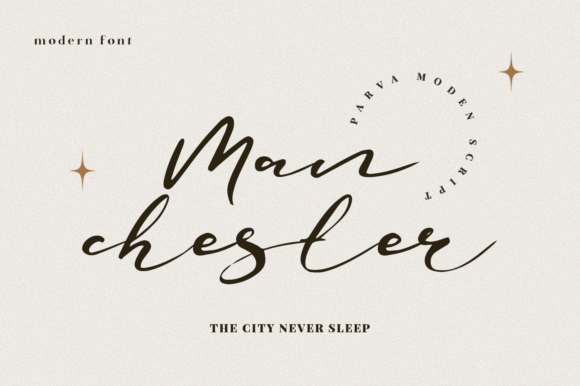
When I first installed Parva, I was skeptical. The market is flooded with Fonts that promise elegance but deliver clutter, especially in the Script Handwritten category. However, after dropping this typeface into a recent boutique identity project, my perspective shifted. Parva is modern script font, you can play with this font and create an amazing design or product with this font. Its natural and unique style makes it incredibly fitting to a large pool of your design. This isn’t just marketing copy; it is a genuine reflection of how the glyphs behave when pushed through real-world design constraints.
Testing Parva on Logo Concepts and Brand Boards
The true test of any Script Handwritten typeface is its performance in logo design. For this review, I worked on a visual refresh for a local artisanal bakery. The client wanted something that felt handmade but not rustic, elegant but not stiff. I pulled Parva from my library of Fonts and began sketching. The initial impression was striking. The strokes have a consistent weight that prevents them from disappearing at small sizes, a common pitfall with thinner scripts.
As I refined the logo draft, I noticed the natural flow of the letters. Parva is modern script font, you can play with this font and create an amazing design or product with this font. Its natural and unique style makes it incredibly fitting to a large pool of your design. This flexibility allowed me to adjust the tracking slightly without breaking the ligatures, which is crucial for maintaining legibility in a logotype. Unlike many decorative fonts that feel forced, Parva sits comfortably on the baseline, providing a stable foundation for the brand mark. It strikes a balance between casual approachability and professional polish, making it ideal for businesses that want to appear friendly yet established.
Parva for Packaging Design and Product Labels
Moving from the digital screen to physical mockups, I applied Parva to a series of packaging labels for skincare products. This is where the "modern" aspect of this Script Handwritten font truly shines. Many script fonts struggle with the curvature required for circular labels or the tight spacing needed for small product tags. Parva is modern script font, you can play with this font and create an amazing design or product with this font. Its natural and unique style makes it incredibly fitting to a large pool of your design.
On a matte black jar label, the white lettering of Parva popped with incredible clarity. The open counters and distinct terminal points ensure that even when printed at smaller scales, the text remains readable. I tested it alongside a clean sans serif for the ingredient list, and the contrast was perfect. The organic curves of Parva softened the clinical feel of the packaging, adding a touch of luxury without overwhelming the consumer. For designers working in e-commerce or retail, this font offers a versatile solution that elevates perceived value. It transforms a standard product into a premium item simply through typographic choice.
Using Parva in Web Headers and Social Media Graphics
In today’s digital-first landscape, a font must perform across various screens. I integrated Parva into a website hero section and a series of Instagram carousel templates. As a web font, it loaded quickly and rendered smoothly, maintaining its integrity on both mobile and desktop views. Parva is modern script font, you can play with this font and create an amazing design or product with this font. Its natural and unique style makes it incredibly fitting to a large pool of your design. This adaptability is rare among Script Handwritten options, which often look pixelated or messy when scaled down for mobile interfaces.
For social media, the font’s personality helps stop the scroll. I used it for quote graphics and promotional headers, pairing it with ample white space to let the letters breathe. The result was engaging and visually cohesive. It works exceptionally well for short phrases, headlines, and calls to action. However, I would advise against using it for long body text or dense paragraphs. Its strength lies in its display capabilities, not its readability in extended reading contexts. By keeping usage focused on accents and headlines, you maintain visual hierarchy and keep the audience engaged without causing eye strain.
Pairing Parva with Serif and Sans Serif Typefaces
No font exists in a vacuum, and Parva is no exception. To maximize its potential, you need strong supporting Fonts. During the branding project, I experimented with several pairings. A geometric sans serif provided a modern, clean counterpoint to the fluidity of this Script Handwritten style. The sharp angles of the sans serif grounded the whimsical nature of Parva, creating a balanced composition. Alternatively, pairing it with a classic serif added a layer of traditional elegance, suitable for wedding invitations or high-end editorial layouts.
The key is contrast. Since Parva has a distinct personality, your secondary font should be neutral. Avoid pairing it with another script or overly decorative display font, as this creates visual noise. Instead, let Parva be the star. Use it for the brand name, main headlines, or key emotional triggers in your copy. Let the supporting typeface handle the informational heavy lifting. This strategy ensures that the unique style of Parva remains impactful and does not get lost in a cluttered design system.
Licensing and Practical Considerations for Designers
Before committing to any typeface, it is essential to review the licensing terms. While Parva is modern script font, you can play with this font and create an amazing design or product with this font. Its natural and unique style makes it incredibly fitting to a large pool of your design, you must ensure your usage aligns with the commercial license. Whether you are designing for a client, creating print-on-demand merchandise, or building a digital product, check the specific permissions included with your purchase. Most premium fonts offer different tiers for personal, commercial, and enterprise use.
Additionally, always test the font in your specific workflow. Check for included alternates, ligatures, and multilingual support if your project requires it. While Parva is robust, understanding its limitations—such as avoiding small body text—will save you time during revisions. By treating this font as a specialized tool rather than a universal solution, you can leverage its strengths effectively. For designers seeking a reliable, stylish, and versatile addition to their toolkit, Parva stands out as a worthy investment. It bridges the gap between artistic expression and functional design, making it a valuable asset for any creative professional.